

Identify Birds by Sight
It’s possible to identify birds using just your eyes. Learn how to use clues like size, shape, colour and simple features to narrow down what you’re seeing.
Location
A quick way to narrow down which bird you’re seeing is to think about location. Different species have different ranges, and some are only found in certain parts of Australia.
Here’s an example of how to identify Australia’s kookaburras by where they live:
Laughing Kookaburra – eastern and southern Australia
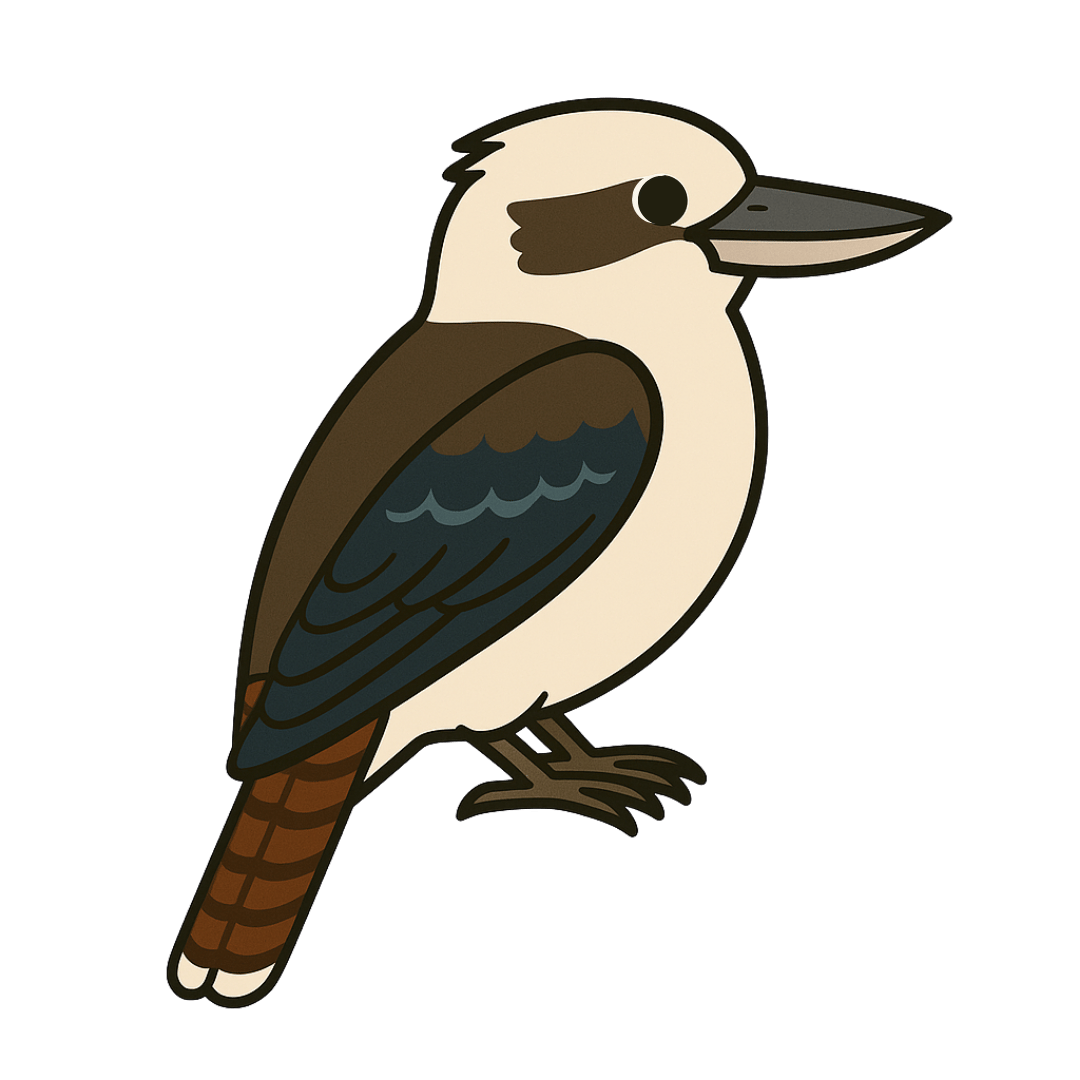
Blue-winged Kookaburra (pictured) – northern and eastern Australia
Cape York Kookaburra – Cape York Peninsula, Queensland
Size
Bird size is easier to measure by length rather than height. Here are six size categories used by birdwatchers, with examples of common Australian birds:
Very small - under 15 cm
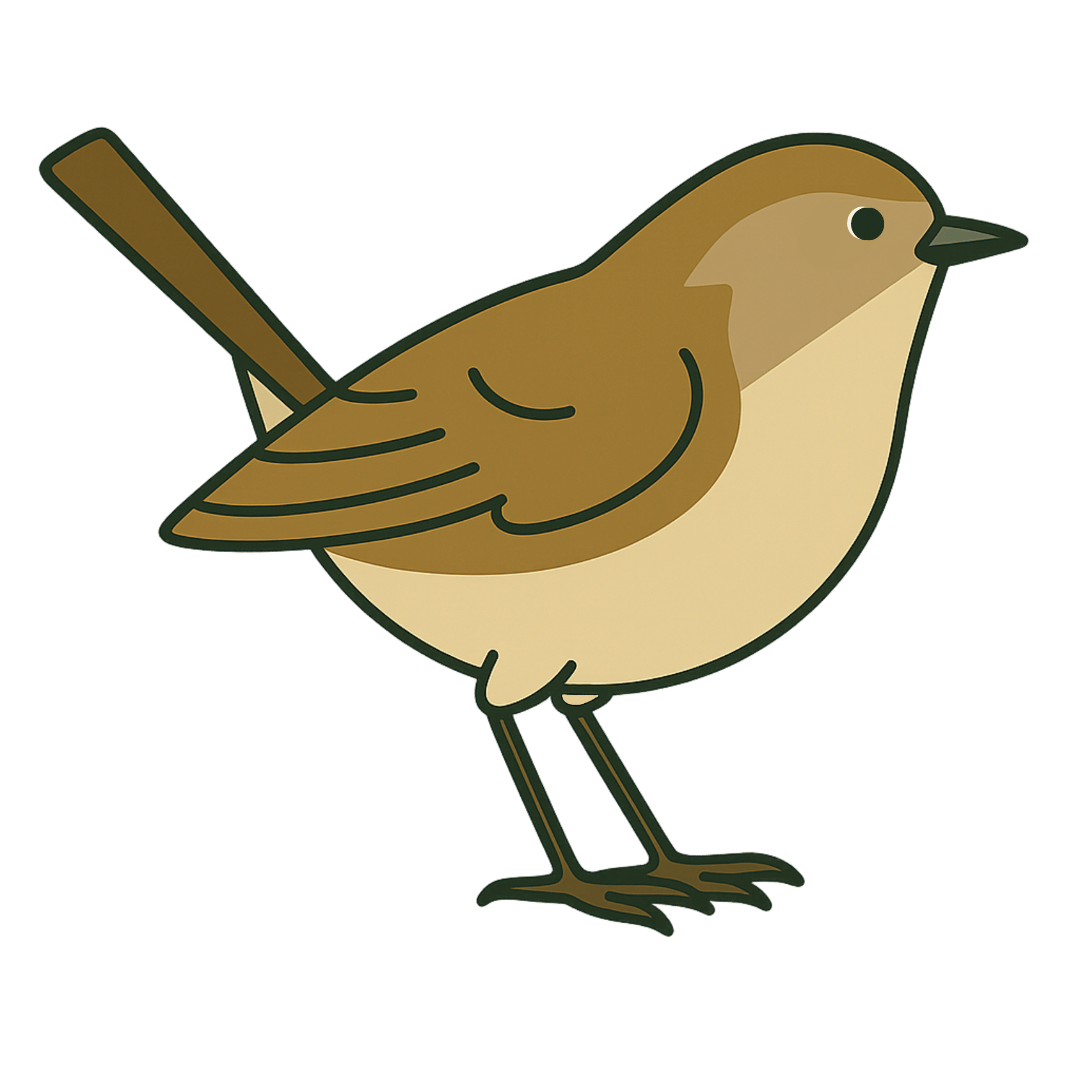
e.g. Superb Fairywren (13 cm)Small - 15–30 cm
e.g. Magpie-lark (28 cm)Medium - 30-45 cm
e.g. Australian Magpie (40 cm)Medium to large - 45-60 cm
e.g. Australian Raven (52 cm)Large - 60-75 cm
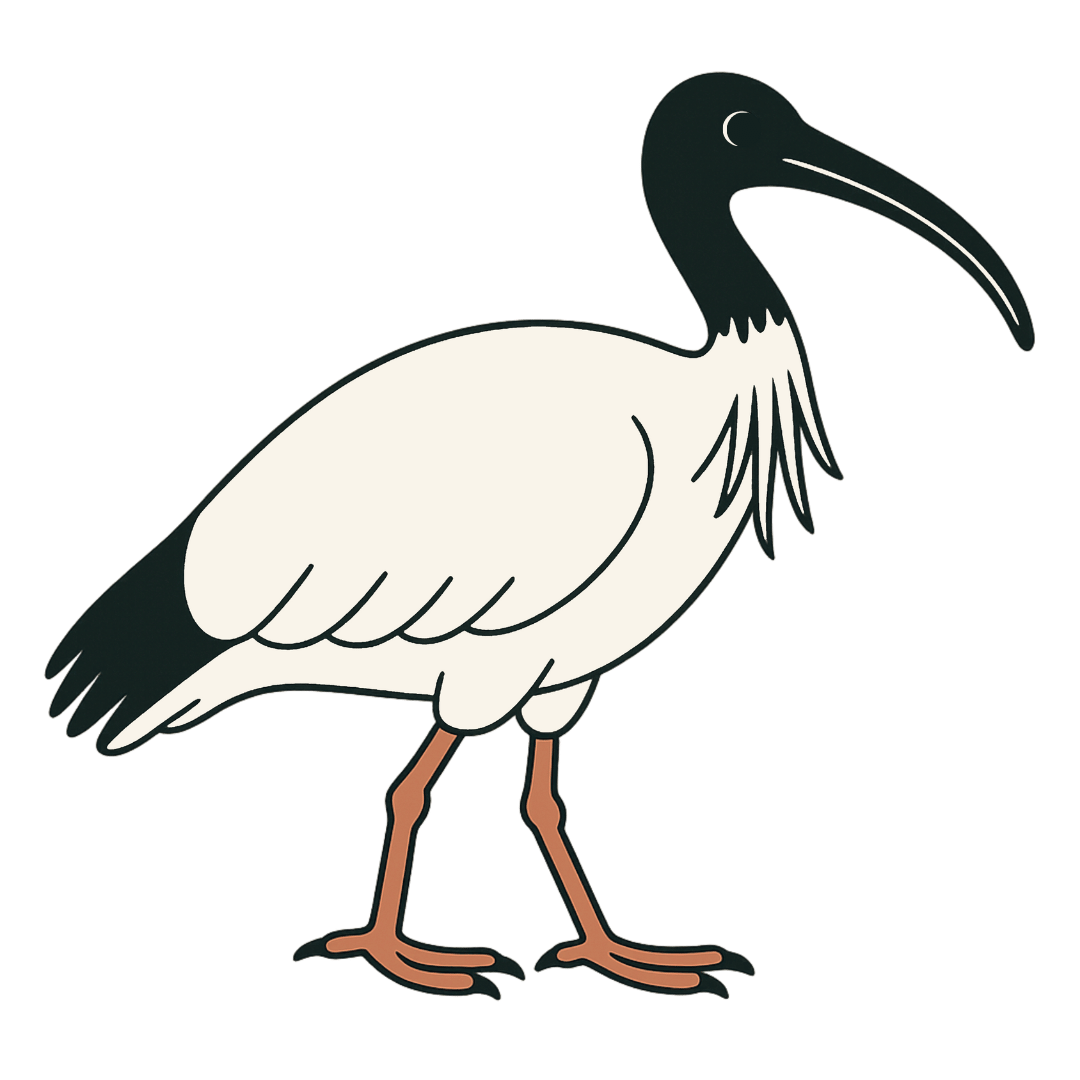
e.g. Australian White Ibis (72 cm)Very large - over 75 cm
e.g. Australian Pelican (170 cm)
Shape
Bird shape is another helpful clue - many species have distinct silhouettes (like this Australian Pelican). Have a look at the body shape, head, neck, bill (beak), tail, wings and legs.
Colour
Colour is one of the easiest ways to help identify a bird. Scan the bird’s feathers (plumage), and check the colour of its eyes, bill and legs/feet. Common terms used in birdwatching include:
Bars – thin horizontal or vertical lines
Bands – thicker horizontal or vertical lines
Collar – a band around the neck, like a necklace
Eyebrow – lines above or around the eyes
Hood or cap – colouring on the head
Behaviour
A bird’s behaviour can also give you clues. Ask yourself - Is it swimming or wading? Is it on the ground, in a tree or on a fence? Is it soaring, flapping or hovering? Birds are often found where they feed, so noticing how and where a bird is foraging can help narrow down its identity. For example, Brown Thornbills often feed among shrubs and low vegetation, while Yellow-rumped Thornbills are commonly seen feeding on the ground.
Bird body parts
Here is an image with a list of key body parts that we use in birdwatching and bird field guides: